一家中型赌场的运营商仔细追踪了他们的30天存款同期群。每100位完成首存的玩家中,有68位再也没有第二次存款。剩下的32位,贡献了该同期群在随后三个月内全部总博彩收入的91%。这家运营商经营的不是一门有100位活跃玩家的生意,而是一门只有32位的生意,却为全部100位付了完整的获客成本。
玩家黏性的算术就是这么不留情面。在有人真正做完同期群分析、看清经常性营收的基数有多窄之前,留存问题从来不像一场危机。 玩家行为数据 能让问题的轮廓显形,只是多数运营商看的是汇总数字,而汇总恰恰掩盖了他们的营收有多集中。
头30天决定的,不是玩家喜不喜欢这个平台,而是他有没有围绕它形成习惯。iGaming中的习惯养成有其可预测的模式,并且在相当程度上是可以被设计出来的。接下来要谈的,正是真正的优势所在。
为什么头72小时决定一切
存款页面,是获客成本被兑现或被浪费的地方。一位完成注册、却在首存环节遇到摩擦的玩家,还不算完成转化。 支付路由与成功率 直接影响第一笔交易是否成功,而开局72小时内的首存失败,几乎无法挽回。玩家通常不会稍后再试一次,他们直接离开。
假设存款成功,接下来的48小时,关键在于玩家能否在最初的新鲜感消退之前,找到回来进行第二次游戏的理由。欢迎奖金结构在这里很重要,但重要的方式与多数运营商设想的不同。一份把玩家锁进他并不完全理解的复杂流水结构里的欢迎优惠,制造的是焦虑,不是参与。
机制更简单、通往一次小额早期胜利的路径更清晰,才能留住玩家。形成习惯性行为的多巴胺回路,运作在短周期之上。一份需要三周才能解锁的优惠,建立的不是黏性,而是挫折感。而新手引导的使用体验本身,往往是这个窗口里那个没被记功的变量。
能快速呈现玩家偏好游戏类型的平台,而不是甩出三千款游戏的高墙,会降低每一次游戏会话的认知负荷。一位回访玩家如果立刻知道要玩什么,比那位花五分钟浏览、然后觉得太费劲的玩家更可能再回来。这些都不是表面功夫,而是决定一位存过一次款的玩家会不会再存第二次的机制。
早期习惯,以及为什么第二周比第一周更关键
第4天到第14天,是习惯形成或不形成的分水岭。第一周的数据往往被欢迎奖金活动与新鲜感撑高。第二周才是第一场真正的测试:玩家互动的是这个平台,还是只是那份促销。
每日登入奖励与任务型互动,只要围绕低门槛的任务来设计,就能创造出延续到奖金期之后的回访模式。关键词是「低门槛」。一个要求玩家一天内完成三次游戏会话的任务,其完成率是「本周存入200美元」那类任务永远追不上的。在这个窗口里,回访的频率比消费的金额更重要,因为频率才是那道行为沟槽,日后更高价值的存款行为正是顺着它流动的。
这个阶段的触发式沟通,值得当成精密仪器来对待,而不是广播渠道。在一次获胜的游戏会话之后隔天、并且大致在同一个时段发出的推送通知,带来回访的可能性远高于周二上午十点群发的促销讯息。讯息的内容,不如它的时机以及它所指涉的情境来得重要。
在这个窗口里只靠邮件作为唯一渠道的运营商,用的是手边最钝的那把工具。习惯不是在收件匣里形成的。
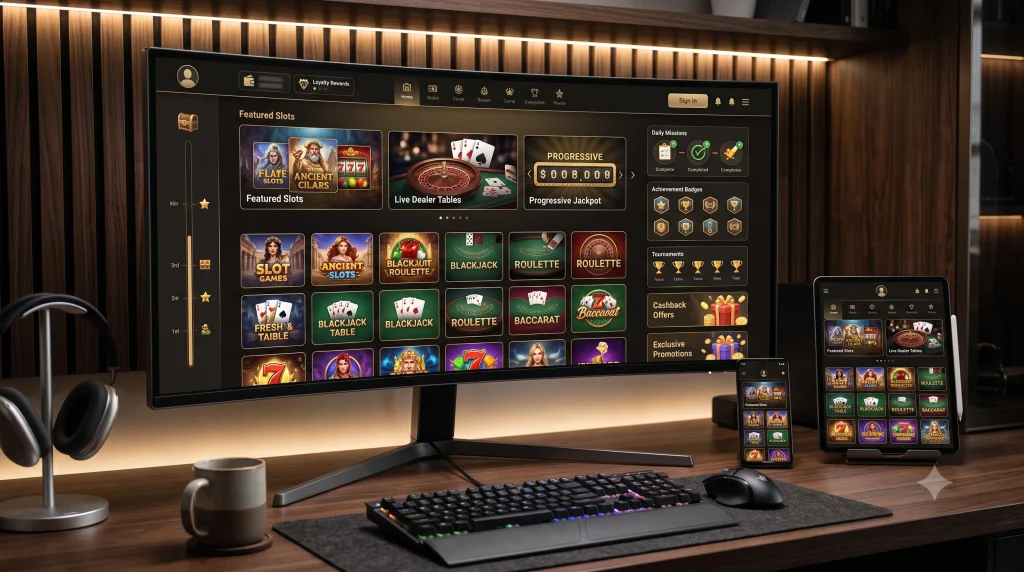
个性化,是维系参与的引擎
从通用互动转向个性化互动,应当在第二周结束前完成,这时已经累积了足够可供行动的行为信号。 平台供应商 在开放给运营商的行为分层深度上差异很大,而这份差异很关键:一套只能依存款金额分层的CRM,在任何合理规模下做个性化留存,实际上都毫无用处。
最先值得建立的分层其实并不复杂。游戏类型偏好与游戏频率,就足以把玩家群分成四到五个有意义的行为群组。一位每天玩二十分钟老虎机的玩家,与一位每周两次、每次玩两小时真人娱乐场的玩家,对讯息的反应截然不同。超过某个界限之后还把两者一视同仁,就会让那位准确察觉「平台根本不知道我在这里做什么」的玩家流失。
行为数据还会浮现出多数运营商错过的早期预警信号。一位原本每天登入、如今已经四天没有游戏的玩家还不算流失,但用低成本触及他的窗口正在关闭。
依据既有模式的偏离而触发的自动化机制,能在这些时刻演变成需要动用赢回活动之前就捕捉到它们。早点抓住,成本是一次免费旋转;晚一点,成本是一份唤回奖金;完全错过,成本就是这位玩家。
进阶体系,以及玩家为什么为了身份而留下
忠诚计划与VIP架构常被视为面向高价值玩家的留存工具。这种框架低估了它们。进阶体系背后的行为驱动力是身份感,而身份动机作用于整个玩家光谱,不只是顶端那一小撮。一位在玩了30天后达到白银等级的玩家,得到的东西并不以奖金金额计价。他得到的是一个等级,而等级所承载的心理分量,是返现百分比给不了的。
一套有效的进阶体系,其机制必须让进度看得见、也够得着。以玩家能逐场追踪的方式累积的点数,所带来的参与度,是抽象的等级门槛做不到的。一位看得出自己距离下一级还差340点的玩家,往往会自己制造一个存款理由去补上。这才是值得围绕设计的那个机制。
上线并定位一家赌场 在特定市场,意味着进阶结构必须反映该市场玩家如何理解奖励。在某个司法辖区看起来颇具竞争力的点数兑现比例,在另一个玩家价值预期标准不同的地方可能显得毫无意义。对某个人群而言充满向往感的VIP等级,对另一个人群可能显得遥不可及。
有一件事长期被做得不够,就是标记等级晋升的那则通知。达到新的忠诚等级,应该让人觉得这是个「时刻」。多数平台只发一封邮件,少数干脆什么都不发。那些在晋升当下收到具体确认的玩家,短期参与度的跃升幅度最高。
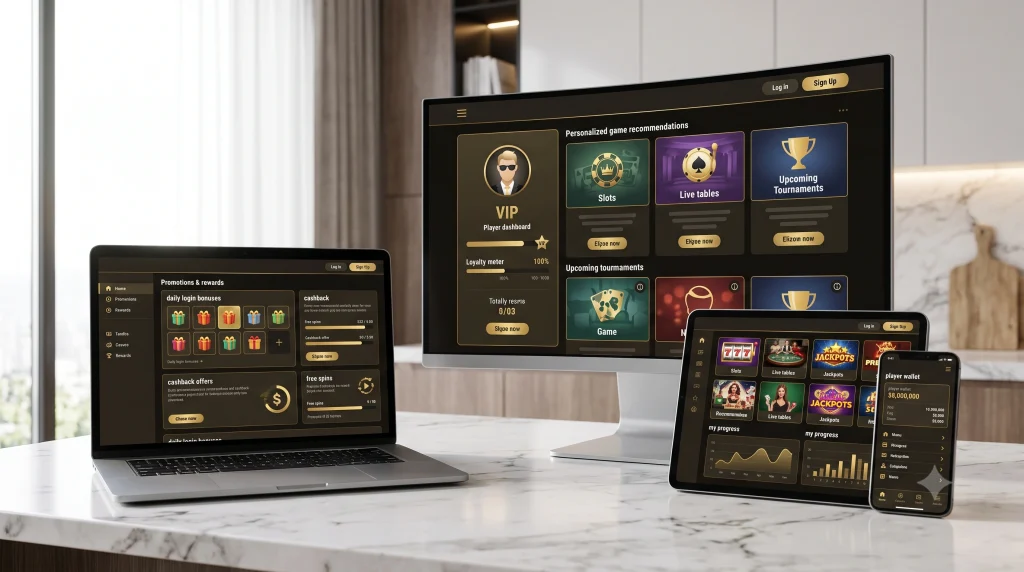
唤回窗口,以及沉睡同期群里躺着的营收
一位活跃了两周、然后沉寂了五天的玩家,处在一个明确而具体的位置上。他距离上一次游戏还够近,平台尚未从他的记忆中消失;但又够远,远到他需要一个回来的理由。
同期群分析 针对回访时机的研究显示,在停止活动10天之后,唤回的成功率会显著下降。这个窗口很窄,而多数运营商在其中行动得太慢,或者根本没有行动。
唤回优惠最有效的时候,是它提及玩家实际做过什么,而不是罗列平台的通用功能。「你已经一周没玩你最爱的真人桌台了」与「回来领取你的奖金」是两种不同的讯息。前者是带情境的提醒。
后者只是促销噪音。处于「刚沉寂不久」状态的玩家会对前者有反应,因为那传递出平台确实注意到了他的缺席,而不只是在机械地跑一套赢回流程。
唤回分层应当被视为一块永远有人在的领地。玩家在平台上的整个生命周期里,会不断地进出这个状态。 随玩家量成长而扩展的基础架构 必须包含那一层自动化,好让唤回触发机制在不断增长的玩家群中依然准确运作。规模超过一定程度之后还靠人工跑赢回活动,会产生时机上的不一致,而时机恰恰是这类活动奏效的关键。
常见问题
在iGaming中,「玩家黏性」到底指什么?
它指的是一位存过一次款的玩家会再次存款、而且之后继续存款的概率。有黏性的玩家,其回访行为已经变成习惯,而不是由特定场合驱动。运营商通过回访率、30天窗口内的存款频次等指标来衡量它。
留存活动该从什么时候开始?
注册后立刻开始。新手引导体验与首存流程,本身就是留存工具,头48小时内发出的讯息也是。把获客与留存当成两个先后阶段来处理的运营商,会在交接过程中流失玩家。它们其实是同一个阶段。
与通用奖金相比,个性化有多重要?
越来越具决定性。当新鲜感还在发挥作用的第一周,通用的奖金活动还撑得住参与度。到了第二周,一位收到与自身行为毫无关联优惠的玩家就会开始疏离。有行为分层的运营商与没有的运营商,在30天留存上的差距,在同期群数据中清晰可见,而且持续大于多数运营商的预期。
玩家即将流失最好的预警指标是什么?
游戏频率跌破他自己既有的基准线,是最可靠的早期信号。一位原本每天登入、转为每三天一次的玩家还没有离开,但这个模式若不加以修正,几乎总会在两周内演变成彻底流失。针对频率偏离的自动警示,能让运营商抢得先机,而这是通用的「不活跃」触发条件抓不到的。
忠诚计划真的能改善头30天的留存吗?
能,但前提是进阶过程看得见、周期也够短。一套需要玩上好几个月才能取得实质进展的忠诚结构,无法在头30天创造黏性,因为奖励的时间地平线太远,影响不了当下的行为。能在头两到三周内完成的等级晋升,加上全程可见的进度,所产生的参与模式,与那些让新玩家觉得自己离任何有意义的东西都很远的计划,有着可量化的差别。
头30天的玩家黏性,不是靠任何单一手法建立的。它建立在一次毫无摩擦的首存、在对的时刻触发的习惯机制,以及一层能在玩家离开之前就接住他们的唤回体系之上。有系统地搭好这套堆栈的运营商,留住的玩家更多。而那些指望靠获客来弥补流失的,等于为同一位玩家付了两次钱。
Gamingsoft是领先的iGaming聚合商,通过单一API对接把赌场运营商与200多家顶级游戏工作室连接起来。我们的GS Connect平台可即时提供超过10,000款游戏,涵盖老虎机、真人荷官、体育博彩和捕鱼游戏,无需与每一家供应商单独谈判。我们支持多币种与多语言,让您快速进入新市场变得简单。技术团队全天候待命,保障平台稳定运行。无论您是在搭建新平台还是扩充现有游戏库,Gamingsoft都具备加速增长所需的工具与合作网络。欢迎联系我们,了解我们能为您的业务做些什么。