An operator running a mid-size casino tracked their 30-day deposit cohorts carefully. Of every 100 players who completed a first deposit, 68 never deposited again. The remaining 32 generated 91% of all GGR that cohort produced over the following three months. That operator wasn’t running a business with 100 active players. They were running one with 32, and paying full acquisition cost for all of them.
The math of player stickiness is unforgiving in that way. Retention doesn’t feel like a crisis until someone runs the cohort analysis and sees how narrow the base of recurring revenue actually is. Player behavior data makes the shape of the problem visible, though most operators are looking at aggregate numbers that conceal how concentrated their revenue really is.
What the first 30 days determine isn’t whether a player likes the platform. It’s whether they form a habit around it. Habit formation in iGaming follows patterns that are predictable and, to a reasonable extent, engineerable. What follows is where the real advantage sits.
Why the First 72 Hours Determine Everything
The deposit screen is where acquisition cost is either justified or wasted. A player who registers and then encounters friction at the point of first deposit hasn’t converted yet. Payment routing and approval rates have a direct effect on whether that first transaction succeeds, and a first-deposit failure in the opening 72 hours is rarely recovered from. The player doesn’t typically try again later. They leave.
Assuming the deposit succeeds, the next 48 hours are about whether the player finds their way to a second session before the initial novelty fades. The welcome bonus structure matters here, yet not in the way most operators assume. A welcome offer that locks the player into a complicated wagering structure they don’t fully understand produces anxiety, not engagement.
Simpler mechanics with a clear path to a small, early win keep players returning. The dopamine loop that creates habitual behavior works on short cycles. An offer that takes three weeks to clear is not building stickiness; it’s building frustration. The onboarding UX itself is often the uncredited variable in this window.
Platforms that surface a player’s preferred game type quickly, rather than presenting a wall of 3,000 titles, reduce the cognitive load of each session. A returning player who knows immediately what to play is more likely to come back than one who spends five minutes browsing before deciding it’s too much effort. These aren’t cosmetic concerns. They’re the mechanics that determine whether a player who deposits once deposits again.
Early Habits and Why the Second Week Matters More Than the First
Days 4 through 14 are where the habit either forms or doesn’t. The first week is often inflated by welcome bonus activity and novelty. Week two is the first real test of whether the player was engaging with the platform or just the promotion.
Daily login rewards and mission-based engagement, when built around low-effort tasks, create return patterns that persist past the bonus window. The key word is low-effort. A mission that asks a player to complete three sessions in a day has a completion rate that a “deposit $200 this week” mission will never match. Frequency of return matters more than volume of spend in this window, because frequency is what creates the behavioral groove that higher-value deposit activity eventually runs in.
Trigger-based communication in this period is worth treating as a precision instrument rather than a broadcast channel. A push notification sent the day after a winning session, at roughly the same hour that session occurred, is substantially more likely to generate a return visit than a bulk promotional message sent on a Tuesday at 10am. The message content matters less than the timing and the context it references.
Operators who rely on email as their only channel during this window are working with the bluntest tool available. The inbox isn’t where habit forms.
Personalization as the Engine That Sustains Engagement
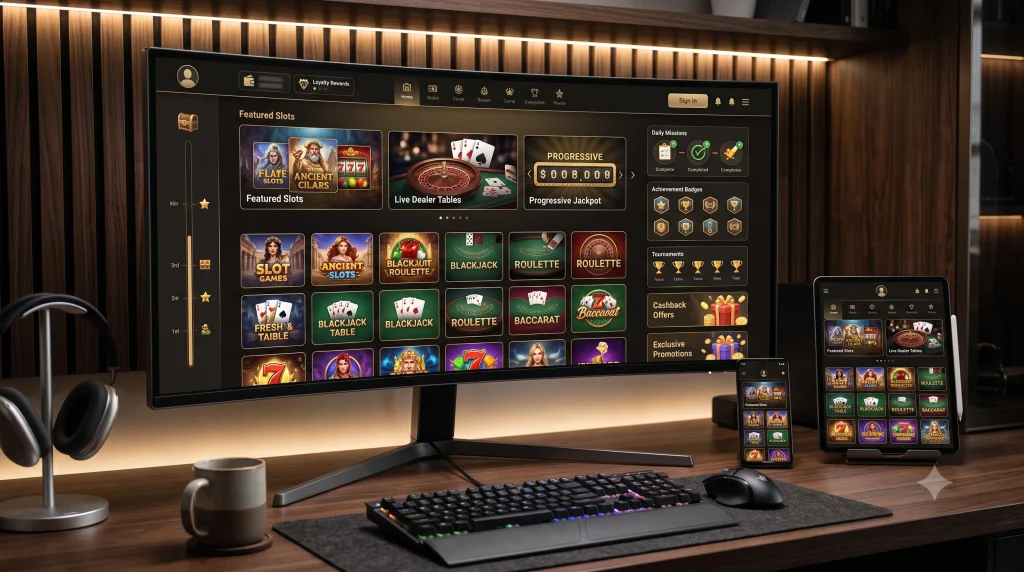
The transition from generic engagement to personalized engagement should happen by the end of week two, when enough behavioral signal exists to act on. Platform vendors vary significantly in how much behavioral segmentation they expose to operators, and this difference matters: a CRM that can only segment by deposit amount is functionally useless for running personalized retention at any reasonable scale.
The segments worth building first aren’t complex. Game type affinity and session frequency give enough signal to divide a player base into four or five meaningful behavioral groups. A slots-heavy daily player who sessions for twenty minutes responds to completely different messaging than a live casino player who sessions for two hours twice a week. Treating them identically, beyond a certain point, produces churn from the player who correctly infers that the platform doesn’t know what they actually do there.
Behavioral data also surfaces the early warning signals that most operators miss. A player who was logging in daily and has now gone four days without a session is not yet lapsed, yet the window to reach them cheaply is closing.
Automated triggers that fire on deviation from established patterns catch these moments before they require a win-back campaign. Catching them early costs a free spin. Miss them later and it costs a reactivation bonus. Missing them entirely costs the player.
Progression Systems and Why Players Stay for Status
Loyalty programs and VIP structures are often thought of as retention tools for high-value players. That framing undersells them. The behavioral driver behind progression systems is status, and status motivation operates across the entire player spectrum, not just at the top. A player who reaches Silver tier after 30 days of play has received something that isn’t denominated in bonus funds. They’ve received a rank, and rank carries psychological weight in a way that a cashback percentage doesn’t.
The mechanics of an effective progression system require that progress feel visible and achievable. Points that accumulate in a way players can track session-to-session produce engagement that abstract tier criteria don’t. A player who can see they’re 340 points from the next level will often manufacture a deposit decision to get there. That’s the mechanism worth designing around.
Launching and positioning a casino in a specific market means the progression structure needs to reflect how players in that market think about reward. Points-to-cash conversion rates that look competitive in one jurisdiction can seem meaningless in another where player expectations around value are calibrated differently. The VIP tier that feels aspirational to a player in one demographic can feel unattainable in another.
One thing that’s consistently underbuilt is the notification that marks tier advancement. Reaching a new loyalty level should feel like a moment. Most platforms send an email. A few send nothing at all. The players who receive a tangible acknowledgment at the moment of advancement report the highest short-term engagement spikes.
Reactivation Windows and the Revenue Sitting in Lapsed Cohorts
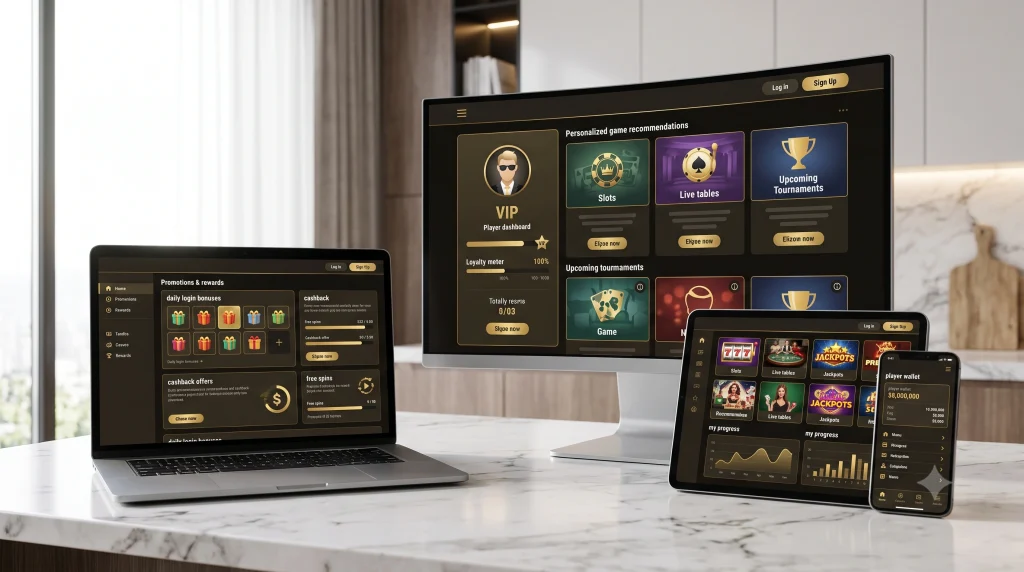
A player who was active for two weeks and has been silent for five days occupies a specific and well-defined position. They’re close enough to their last session that the platform isn’t gone from their memory. Far enough out, though, that they need a reason to come back.
Cohort analysis on return-session timing shows that reactivation probability drops significantly after 10 days of inactivity. The window is narrow. Most operators act in it too slowly or not at all.
Reactivation offers work best when they reference what the player actually did, not generic platform features. “You haven’t played your favorite live tables in a week” is a different message than “Come back and claim your bonus.” One is a reminder with context.
The other is promotional noise. Players in a lapsed-but-recent state respond to the former because it signals the platform noticed their absence specifically, not just that it’s cycling through a win-back sequence.
The reactivation segment should be treated as permanently occupied territory. Players will keep cycling in and out of it throughout their lifetime on the platform. Infrastructure that scales with player volume needs to include the automation layer that keeps reactivation triggers firing accurately across a player base that grows. Running win-back campaigns manually past a certain size produces inconsistent timing, and timing is most of what makes them work.
Frequently Asked Questions
What does “player stickiness” actually mean in iGaming?
It refers to the probability that a player who deposited once will deposit again, and again after that. A sticky player is one whose return behavior has become habitual rather than occasion-driven. Operators measure it through metrics like return visit rate and deposit frequency over 30-day windows.
When should retention campaigns start?
Immediately after registration. The onboarding experience and first deposit flow are retention instruments. So is the messaging sent in the first 48 hours. Operators who treat acquisition and retention as sequential phases lose players during the handoff. They’re the same phase.
How important is personalization compared to generic bonuses?
Increasingly decisive. Generic bonus campaigns can sustain engagement through the first week when novelty is doing some of the work. By week two, a player who receives offers with no apparent relevance to their actual behavior starts to disengage. The gap in 30-day retention between operators with behavioral segmentation and those without it is measurable in cohort data and consistently wider than most operators expect.
What is the best indicator that a player is about to churn?
Session frequency dropping below their established baseline is the most reliable early signal. A player who was logging in daily and shifts to every three days hasn’t left yet, though that pattern, if uncorrected, almost always precedes a full lapse within two weeks. Automated alerts on frequency deviation give operators a head start that generic inactivity triggers miss.
Do loyalty programs actually improve retention in the first 30 days?
Yes, but only when the progression feels visible and short-cycle. A loyalty structure where meaningful progress requires months of play doesn’t create stickiness in the first 30 days because the reward horizon is too distant to influence behavior now. Tier advancement that can happen within the first two to three weeks, with visible progress throughout, produces measurably different engagement patterns than programs where early-stage players feel they’re far from anything meaningful.
Player stickiness in the first 30 days isn’t built by any single tactic. It’s built through a frictionless first deposit, habit triggers that fire at the right moments, and a reactivation layer that catches players before they’re gone. The operators who build that stack systematically retain more players. Those who rely on acquisition to compensate for churn pay for the same player twice.
Gamingsoft is a leading iGaming aggregator connecting casino operators with over 200 top-tier game studios through a single API integration. Our GS Connect platform provides instant access to more than 10,000 games across slots, live casino, sports betting, and fishing games — without requiring separate negotiations with each provider. We support multiple currencies and languages, making it simple to enter new markets quickly. Our technical team is available around the clock to ensure seamless platform performance. Whether you are launching a new platform or expanding an existing game library, Gamingsoft has the tools and partnerships to accelerate your growth. Get in touch to learn what we can do for your business.